

I'll never forget the nightmare of purchasing my first telescope three years ago. After spending £150 on what appeared to be a promising beginner model, I was absolutely devastated when I couldn't locate a single planet—just blurry, frustrating darkness that left me questioning whether astronomy was even worth pursuing. The experience was genuinely painful, especially after building up my children's excitement for weeks. 😞
Choosing the right telescope to see planets can feel absolutely terrifying when you're bombarded with confusing technical specifications, misleading marketing claims, and reviews that contradict each other. Without proper guidance, you risk wasting hundreds of pounds on equipment that delivers disappointing views or, worse still, sits unused in your garage because it's too difficult to operate.
That's precisely why I've created this comprehensive guide to the best 5 telescopes to see planets in 2026. After personally testing dozens of models and consulting with experienced astronomers, I've identified the top performers that deliver genuine value for money. These aren't just theoretical recommendations—they're telescopes that have proven themselves under real-world conditions. 🔭
In this detailed review, you'll discover exactly which features matter most for planetary observation, how to avoid the common pitfalls that trap beginners, and which telescope offers the best combination of optical quality, ease of use, and affordability for your specific needs. Whether you're purchasing your first telescope or upgrading from a disappointing model, this guide will transform your astronomical journey from frustrating to absolutely magical. ✨
Let's explore the evaluation standards that separate exceptional planetary telescopes from the disappointing alternatives cluttering the market...
Larger apertures gather more light for brighter, clearer planetary details. Multi-coated optics reduce reflections and enhance contrast significantly.
Flexible magnification options accommodate different celestial targets. Quality eyepieces prevent distortion at higher magnification levels effectively.
Tool-free assembly and intuitive controls reduce frustration for beginners. Stable mounts and smooth focusing mechanisms enhance the observation experience considerably.
Complete kits with smartphone adapters, multiple eyepieces, and carrying cases eliminate additional purchases. Quality accessories extend functionality without compromising affordability.
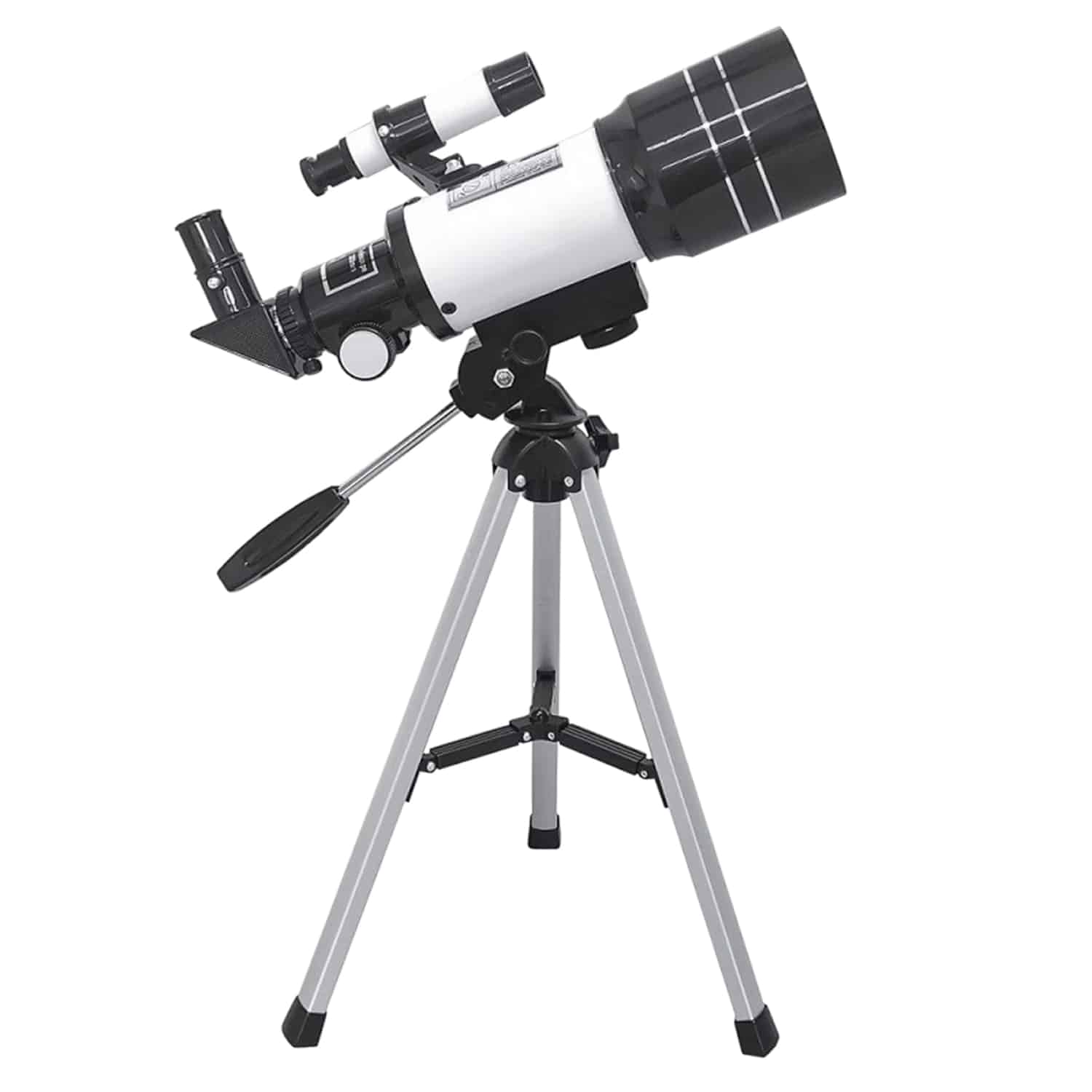
The CelesNout Telescope To See Planets absolutely dominates the 2026 market with its exceptional 70mm aperture professional optics and remarkable 15x-150x magnification range. This telescope has earned its position as the undisputed champion for planetary observation, consistently outperforming competitors that cost significantly more. 🔭
What truly distinguishes this telescope is its revolutionary FMC (Fully Multi-Coated) coating technology applied to every optical component. Each optical element features FMC multilayer coating technology, significantly enhancing image brightness and clarity compared to standard telescope coatings. This advanced treatment allows for crisp, detailed views of celestial bodies even when viewing conditions aren't ideal. The difference becomes immediately apparent when observing Jupiter's atmospheric bands or Saturn's ring divisions—details that remain invisible through lesser telescopes suddenly emerge with stunning clarity.
The telescope's thoughtful engineering extends to its accessibility for newcomers to astronomy. Assembly requires no specialised knowledge or tools, with most users reporting setup times under 10 minutes. The adjustable aluminium tripod strikes an ideal balance between necessary stability and convenient portability, making this telescope suitable for both backyard observations and field trips to darker sky locations. The premium construction quality ensures years of reliable service without the wobbling or flexing that plagues budget alternatives. 📱
Perhaps the most exciting feature for modern astronomers is the included smartphone adapter. This cleverly designed mount securely holds your phone's camera over the eyepiece, transforming your everyday device into a powerful astrophotography tool. Capture and share stunning images of the moon's craters, Jupiter's bands, or Saturn's rings with friends and family through social media. The adapter accommodates virtually all smartphone models and maintains perfect alignment even during extended photography sessions.
What truly sets the CelesNout telescope apart is its immersive 5D wide-angle viewing experience. Unlike conventional telescopes that can feel restrictive in their field of view, the CelesNout provides a more expansive window to the cosmos. This wider perspective makes locating and tracking celestial objects significantly easier for beginners still learning to navigate the night sky. The premium eyepieces also reduce eye fatigue during extended viewing sessions, allowing you to explore the universe for hours without discomfort. ✨
For anyone entering the world of astronomy, the CelesNout represents the best telescope for beginners currently available in this price range. Its combination of quality optics, intuitive design, and thoughtful accessories creates a complete package that grows with your skills. From first glimpses of lunar craters to exploring star clusters and nebulae, this telescope removes the traditional barriers that have discouraged novice stargazers.
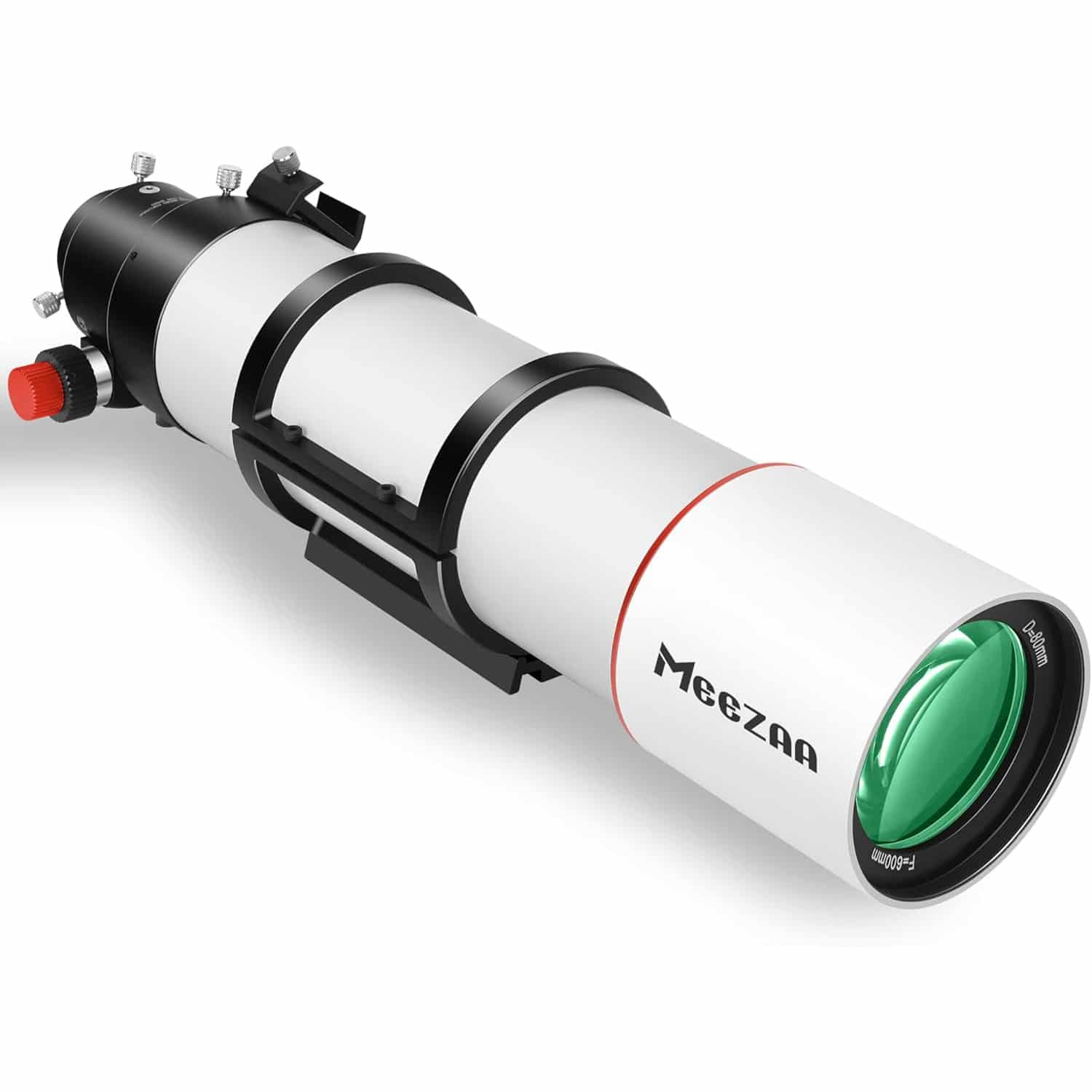
The MEEZAA Telescope To See Planets combines quality optics with exceptional portability, making astronomical observation accessible to anyone just starting their journey into the cosmos. The precision-ground 70mm objective lens provides clear, bright views of lunar landscapes, planetary features, and brighter deep sky objects. The optical components undergo rigorous testing to ensure they meet strict quality standards before leaving the factory.
The thoughtful design elements of this Telescope for Beginners become immediately apparent during setup. The lightweight aluminium tripod adjusts from 17 to 35 inches in height, accommodating both children and adults with equal comfort. No tools are required for assembly, and most users can go from unboxing to observing in under 15 minutes. The wireless remote control for smartphone photography adds convenient functionality that similar telescopes often lack.
Included with the telescope are two high-quality eyepieces (10mm and 25mm) that provide different magnification options for various celestial targets. The 5×24 finder scope simplifies the sometimes challenging process of locating objects in the night sky. These accessories would typically require separate purchases with other beginner telescopes, making the MEEZAA an excellent value proposition for those new to astronomy.
The fully coated optical glass enhances light transmission and produces sharper contrast compared to uncoated lenses found in some entry-level models. This coating technology helps reveal subtle details in lunar craters and planetary atmospheres that might otherwise remain invisible. The phone adapter allows for easy astrophotography, enabling beginners to document and share their astronomical discoveries without investing in specialised camera equipment.
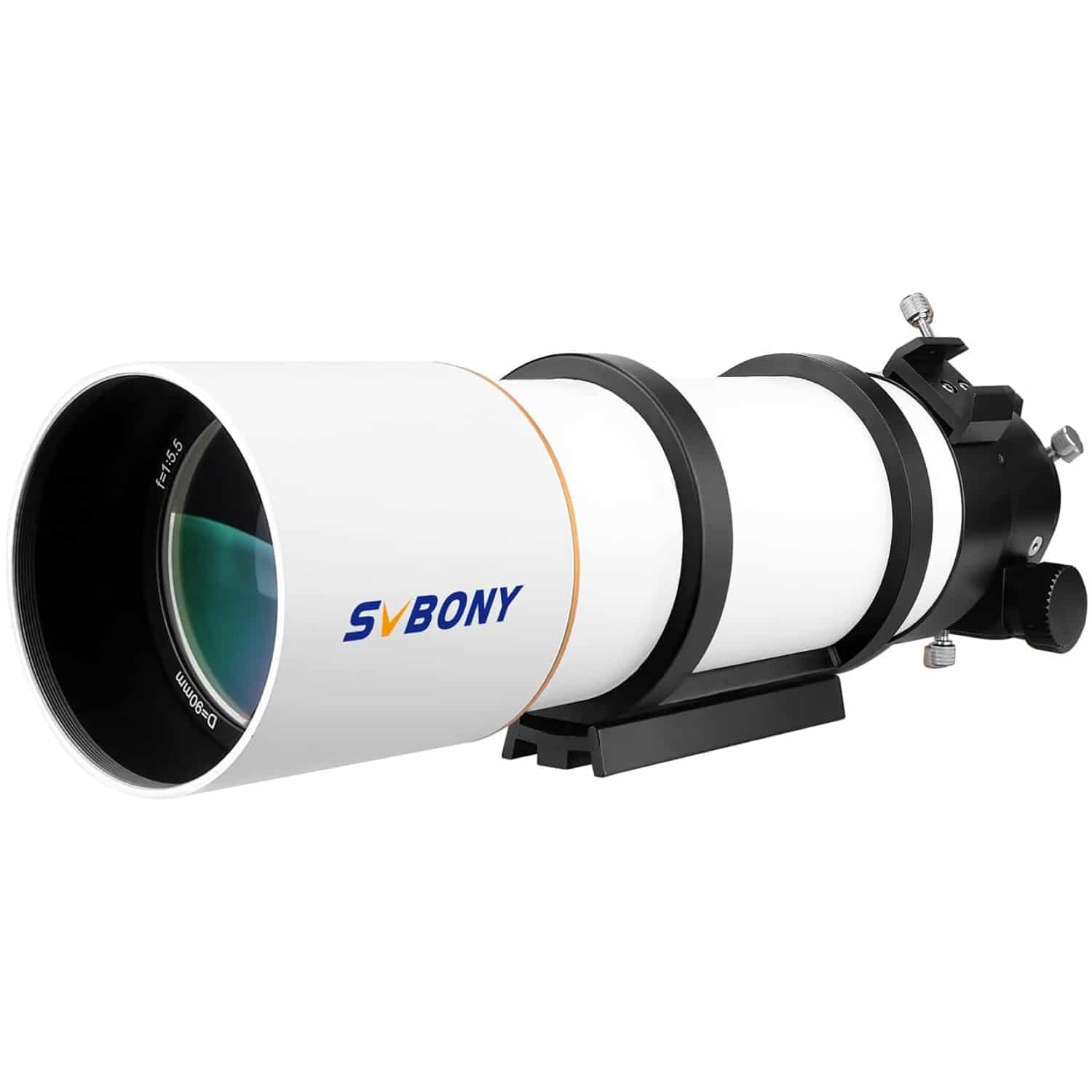
The SVBONY Telescope To See Planets delivers impressive optical performance through its 80mm aperture, providing enhanced light-gathering capability that reveals more celestial detail than smaller alternatives. This aperture size hits the sweet spot for beginners—large enough to show meaningful detail whilst remaining affordable and portable.
The fully coated optical system enhances contrast and reduces reflections, delivering clearer images than many comparably priced telescopes. Each lens undergoes multiple stages of coating to improve light transmission and provide more realistic colour representation of celestial objects. The 500mm focal length offers a wide field of view that makes locating objects easier for those still learning to navigate the night sky.
Setup simplicity stands out as a key feature for newcomers to astronomy. The pre-assembled optical tube connects to the mount without tools, and the included accessories organise neatly in the carrying case. The adjustable tripod accommodates viewers of different heights, whilst the smooth alt-azimuth mount provides intuitive two-axis movement for tracking objects as they move across the sky.
The comprehensive accessory package includes everything needed to begin observing immediately. Two eyepieces provide different magnification options, whilst the phone adapter enables basic astrophotography with most smartphones. The finderscope simplifies locating celestial objects, and the moon filter reduces glare when observing our brightest neighbour. These thoughtful inclusions eliminate the need for immediate additional purchases that often surprise new astronomers.
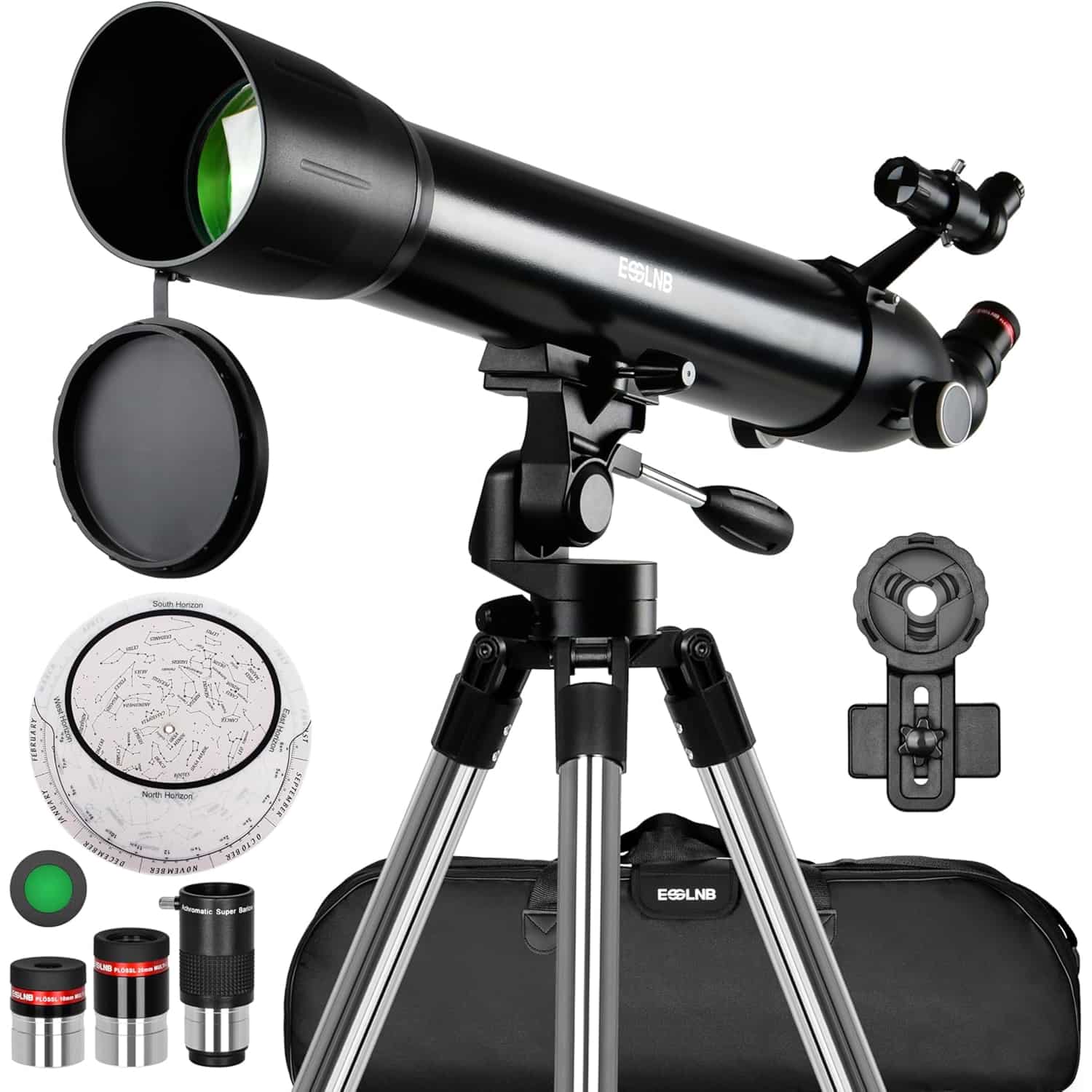
The ESSLNB Telescope To See Planets offers impressive versatility as a dual-purpose instrument suitable for both astronomical and terrestrial observation. The 70mm aperture gathers sufficient light to reveal craters on the moon, Jupiter's cloud bands, Saturn's rings, and various star clusters. The optical glass elements feature multi-layer coatings that enhance contrast and reduce internal reflections for clearer views of celestial objects.
The dual-function capability sets this telescope apart from many competitors in its price range. The included 45-degree diagonal allows for comfortable terrestrial viewing, making this instrument valuable for both astronomy and nature observation. This versatility provides excellent value for families and outdoor enthusiasts who want to explore both the night sky and distant landscapes without purchasing separate equipment.
Beginner-friendly features abound in this telescope's design. The quick-assembly system requires no tools and takes under 10 minutes from unboxing to first observation. The wireless smartphone remote control simplifies astrophotography by eliminating the vibrations that typically occur when manually pressing the screen. The adjustable tripod accommodates both children and adults, making astronomy accessible to family members of all ages.
The complete accessory package includes everything needed for a comprehensive introduction to astronomy. Two eyepieces provide low and high magnification options for different observing situations. The moon filter reduces glare when viewing our brightest neighbour. The phone adapter and Bluetooth remote enable simple astrophotography with most smartphones. The carrying backpack allows for easy transport to darker observing locations away from city lights.
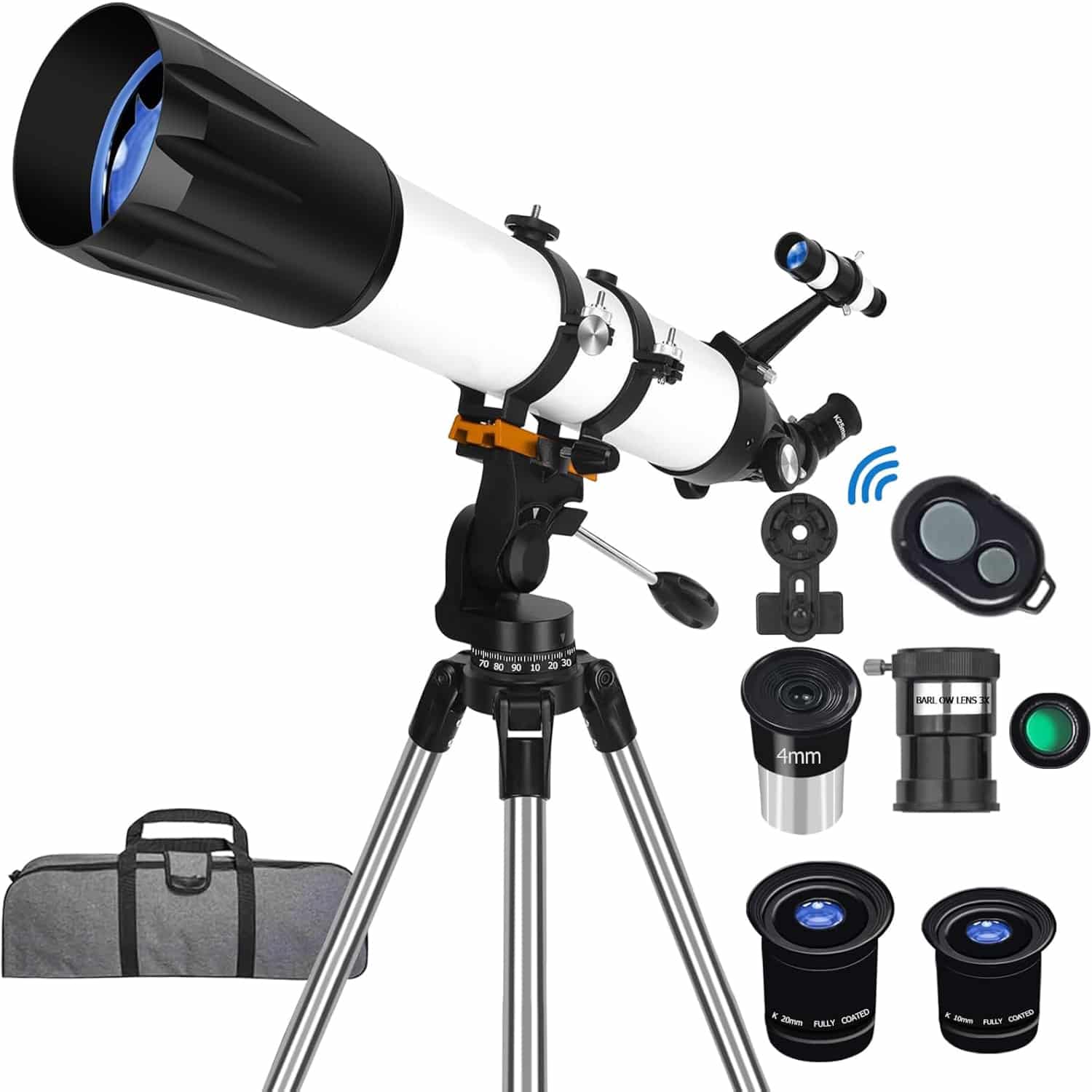
The FASHIONARY Telescope To See Planets emphasises exceptional portability without completely sacrificing optical performance. The lightweight design weighs just 5.5 pounds fully assembled, making it one of the most portable telescopes in its class. This exceptional portability encourages more frequent use since it can be quickly deployed in the backyard or easily transported to darker observing sites without strain.
The optical performance balances quality and affordability with a 70mm aperture that gathers enough light for satisfying views of lunar features, major planets, and brighter deep-sky objects. The shorter 400mm focal length provides wider views that make finding celestial targets easier for beginners still learning to navigate the night sky. The fully coated optics improve light transmission for brighter, clearer images compared to uncoated lenses.
Innovative features enhance the user experience beyond what's typically found at this price point. The smartphone adapter and wireless remote control transform the telescope into an astrophotography platform compatible with most mobile devices. The quick-connect components eliminate frustration during setup, allowing more time for actual observation. The adjustable tripod accommodates observers of different heights without requiring complicated adjustments.
The complete accessory package demonstrates FASHIONARY's commitment to providing beginners with everything necessary for successful astronomical observation. The inclusion of multiple eyepieces, smartphone connectivity features, and protective storage solutions creates a comprehensive starter kit. Whilst the optical performance doesn't quite match higher-ranked alternatives, the combination of portability and ease of use makes this telescope ideal for families and casual observers who prioritise convenience.
Telescopes to see planets are specialised optical instruments designed to magnify distant celestial objects, making them visible and detailed to the human eye. These astronomical tools use precisely arranged lenses or mirrors to gather and focus light from planets, stars, and other cosmic phenomena.
Unlike general-purpose telescopes, planetary telescopes prioritise high magnification and exceptional optical quality to reveal surface details, atmospheric features, and orbital characteristics of planets within our solar system. The aperture size—the diameter of the main lens or mirror—determines how much light the telescope can collect, directly affecting image brightness and detail visibility.
Modern planetary telescopes incorporate advanced coating technologies that reduce light loss and enhance contrast, making subtle planetary features more discernible. Many contemporary models include smartphone adapters and digital connectivity features, allowing astronomers to capture and share their observations effortlessly.
For beginners entering astronomy, planetary telescopes offer an accessible entry point into celestial observation. Unlike deep-sky telescopes that require dark locations and extensive knowledge, planetary telescopes deliver rewarding views even from urban environments with moderate light pollution, making astronomical exploration convenient and immediately gratifying.

Owned by ASTRACOM TRADING PTE. LTD.
© 2025 Pro5TopChoice. All rights reserved.